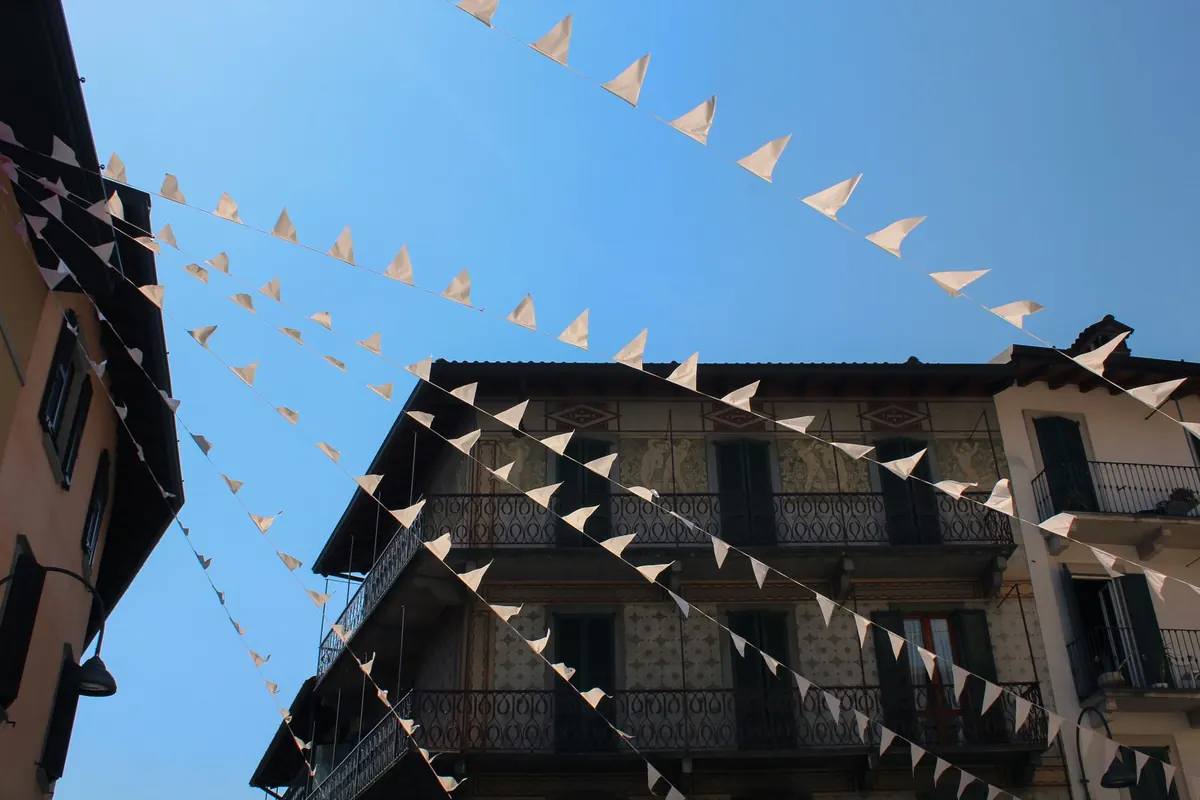
In a town of four thousand people, the whole calendar can turn on a single weekend. A street gets closed, trestle tables appear, a brass band tunes up outside the bar, and for two days the piazza becomes the most important room in the region. These are the festivals that rarely make it onto a first trip to Italy, and they are usually the ones people remember longest.
What follows is a seasonal sketch of what happens and when, plus the questions worth asking before you build a trip around one of them. Dates move, organisers change plans, and a festival that ran for sixty years can take a year off. Treat everything here as a starting point for a conversation with the local Pro Loco — the volunteer tourist associations that run most of these events.
Carnival: The Season That Moves With Easter
Carnival is the first trap for planners, because its dates depend on Easter and therefore shift every year. Ash Wednesday sets the end; the preceding weeks carry the parties. Book nothing until you have checked the current year's calendar.
The range of traditions is wide. In Ivrea, in Piedmont, the Battle of the Oranges fills the streets with teams of throwers and spectators who are expected to know the rules. In Mamoiada, in the Sardinian interior, the Mamuthones walk in heavy dark masks and sheepskins, moving in a slow, deliberate rhythm that owes more to ritual than to festivity. Oristano holds the Sartiglia, an equestrian tournament with masked riders and a starred sword. Smaller places do their own strange things: in Offida, in the Marche, a man in a bull mask charges through the crowd on Shrove Tuesday.
A few habits serve you well anywhere. Do not touch a mask or costume without asking — many are hand-carved heirlooms and some carry religious weight. Stand at the edge of the route rather than in it. If a town has limited hotel rooms, and most do, book months ahead, because Carnival weekends sell out to Italians first.
Spring: Processions, Flowers and Long Weekends
Holy Week brings the most solemn events of the Italian year. Confraternities in hooded robes carry statues through the streets at night, sometimes for hours, accompanied by bands playing funeral marches. Procida, Taranto, Enna and Bormio are among the places known for it, but almost every region has something. These are acts of devotion, not performances: keep your voice low, dress with a bit of care, and ask before photographing participants' faces.
Then, abruptly, Easter Monday arrives. Pasquetta is a national day of driving into the countryside, and small towns can feel deserted while their restaurants fill up. Reserve a table or plan a picnic; don't assume you can walk in anywhere at one o'clock.
Late spring belongs to flowers and pageantry. The infiorate of Noto, Genzano di Roma and Spello see volunteers lay vast carpets of petals and seeds along the streets overnight for Corpus Domini or the local feast. Go at dawn to watch the work and smell it before the crowds arrive. Assisi's Calendimaggio, in early May, stages a medieval rivalry between two halves of the town with processions, flags and singing.
Summer: Sagre, Palios and Tables in the Square
Summer is the dense season. A sagra is a food festival, often devoted to one ingredient: porcini, frogs, cherries, sardines, polenta, snails. You queue at a cash desk, buy tickets or a receipt, then hand it to the volunteers at the grill. Tables are communal and turnover is fast. Arrive before eight or after ten if you want to sit.
The palio is the competitive form: horse races, donkey races, rowing contests, archery matches between neighbourhoods. Siena's is the famous one, but Alba runs a palio of donkeys, Foligno holds the Quintana, and dozens of smaller towns run their own version. Tickets for grandstand seating usually go on sale weeks in advance; standing in the street is often free and, frankly, more fun.
Practical summer notes: rural roads narrow with parked cars, so arrive early and expect a walk. Heat in the piazza at three in the afternoon is brutal; the action starts late. And take cash, since ticket desks and small stalls are not always equipped for cards.
Autumn: Harvest, Truffles and Chestnuts
Autumn festivals follow the fields. Grape harvests bring wine fairs and processions of decorated carts. Chestnut festivals — castagnate — fill squares with roasting drums and smoke in October and November. Truffle fairs in Alba and San Miniato draw serious buyers and curious eaters alike, and olive mills open their doors when the pressing starts.
The first days of November are worth understanding before you book anything. All Saints' Day and the day that follows are when families return to their home towns and cemeteries glow with candles and chrysanthemums. It is a quiet, familial moment rather than a visitor spectacle, and many businesses close.
Winter: Markets, Presepi and Fire
December brings wooden stalls selling mulled wine and crafts, most atmospheric in the Alpine towns of Trentino-Alto Adige, where the light goes early and the cold is genuine. Living nativities — presepi viventi — are staged in village lanes, sometimes with real animals and a cast drawn from the whole parish.
Older, stranger traditions cluster around the turn of the year. Krampus runs in the South Tyrol fill December evenings with horned figures and noise. Epiphany bonfires are lit in the north-east, and 17 January brings the fires of Sant'Antonio Abate in many rural areas. The Befana arrives on 6 January with stockings for children, and the country quietly exhales.
Questions to Ask Before You Plan a Visit
Before you commit to flights and a hire car, get clear answers to the following. A short email to the local Pro Loco will usually settle most of them.
- Is the date fixed or moveable? Saint's-day feasts stay put; anything tied to Easter or to a liturgical calendar does not.
- Is it happening this year? Some events are biennial, and organisers occasionally pause a festival to rethink it.
- Do I need tickets, and when do they go on sale? Ask separately about seating, dinner, and parking.
- What time does it actually start? Posters often advertise the official opening; locals arrive an hour or two later.
- Where do I leave the car? Expect closures and shuttle buses, and ask whether the last bus back runs before the fireworks.
- Is food ticketed? Many sagre sell coupons at a separate desk before you join the queue.
- How do I get there without a car? Trains serve the main towns well and the hamlets badly. Check before assuming.
- Is it suitable for children, or loud, or long? Processions can run for hours and fireworks frighten small ears.
- What should I wear? Bring a layer for stone churches and a scarf for night processions, even in spring.
Timing, Manners and the Last Mile
Two things make the difference between a good visit and a frustrating one: arriving early and buying something. Early means a parking space, a seat, and a chance to see the preparations — the flower layers at work, the horses being walked. Buying something means you are a guest rather than an audience, whether that is a plate of pasta, a glass of wine or a bag of chestnuts.
Keep the procession route clear, stay out of the way of photographers who are clearly working, and never step into a church service to take pictures. If you are staying overnight, remember that small hotels and agriturismi have few rooms and often ask for a deposit; confirm the cancellation terms in writing. And if a festival turns out to be cancelled, do not treat the day as wasted. Ask at the bar what else is happening in the next village — there is usually something.
Photo: Gusts Strods / Pexels